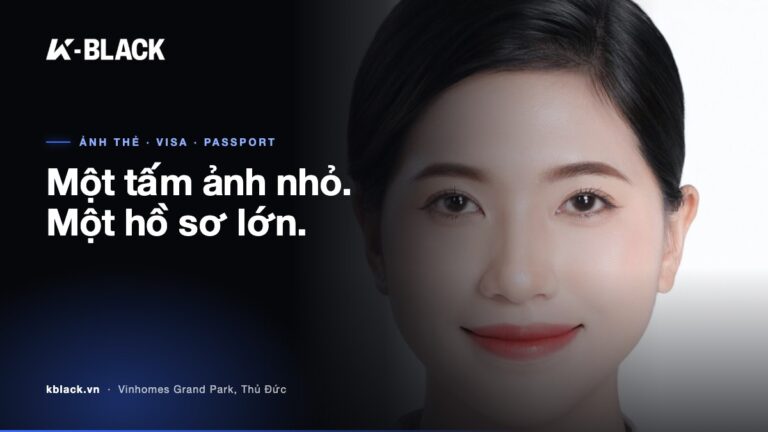
An ID photo in the wrong size can get your entire application returned. Not because you're missing documents, but because the photo is off by a few millimetres, the background is the wrong colour, or hair covers your ears.
This article gives a concise answer to the question what are 3×4 and 4×6 photos used for, which applications 2×3 photos are for, and why visa photos follow an entirely different sizing system. There's a quick reference table, a list of common mistakes, and pointers to the original regulations.
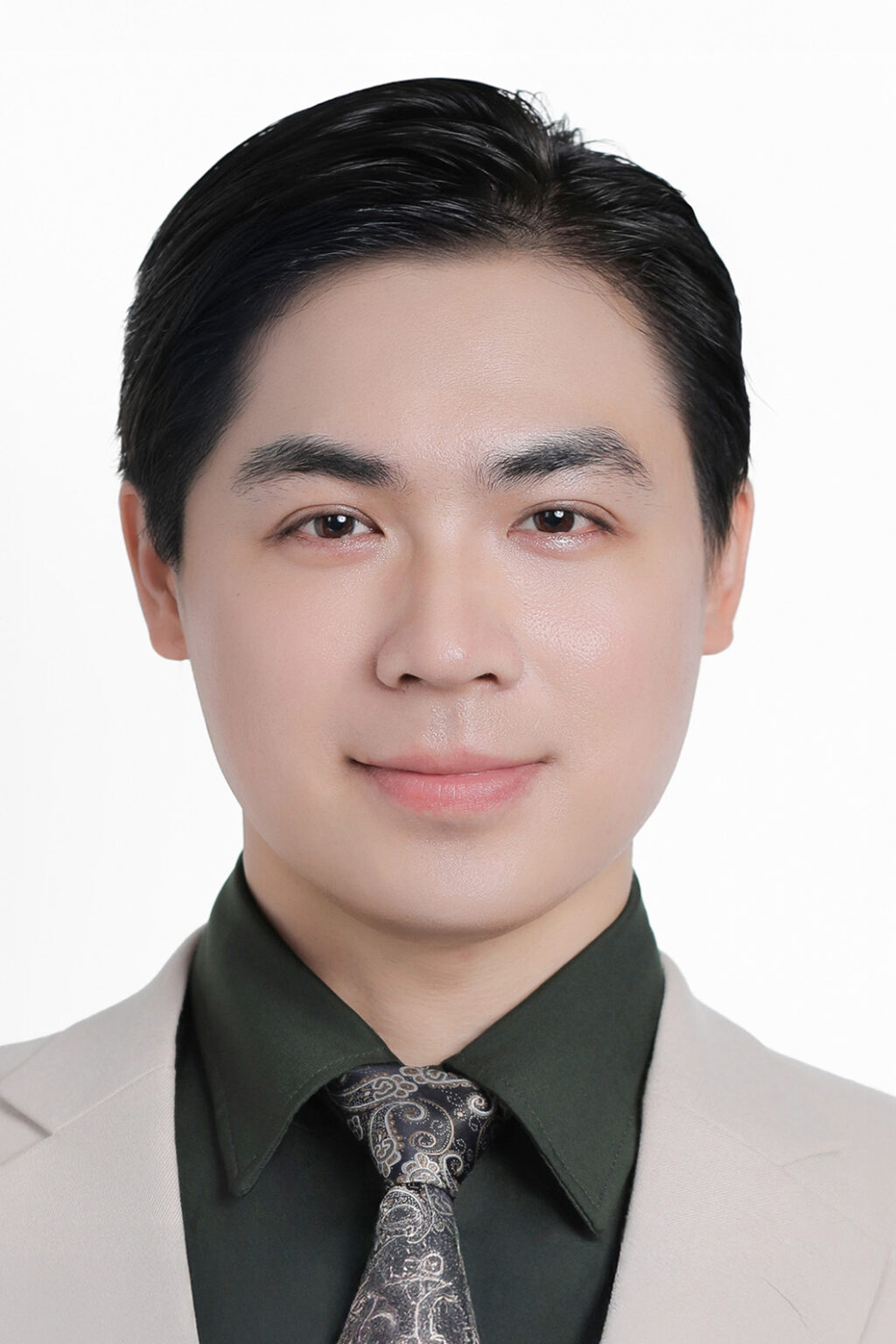
How many mm are 2×3, 3×4 and 4×6 photos, and how do they differ?
The terms “3×4” or “4×6” mean width by height, in centimetres. The photo is always portrait, meaning the short side runs horizontally.
- 2×3 photo: 20 x 30 mm – the smallest size, usually affixed to cards, booklets or forms with a small photo box.
- 3×4 photo: 30 x 40 mm – the most common size across paper applications.
- 4×6 photo: 40 x 60 mm – a large size, used when an agency needs clear facial detail.
These three sizes differ in more than just the print size. When switching sizes, the proportion of the face in the frame must also be realigned. A 4×6 cut down to 3×4 often loses the shoulders or leaves the head too big – so it's best to frame each size separately rather than cropping by hand.
Quick reference: what 3×4 and 4×6 photos are used for, by document type
The table below gathers the common cases. For domestic applications, each receiving office may have different requirements, so always check against that office's own notice. Citizen ID card (CCCD) photos are taken on the spot where you complete the procedure, so you don't need to bring printed photos.
| Photo size | Size | Commonly used for | Note |
|---|---|---|---|
| 4×6 | 40 x 60 mm | Vietnamese passports, some applications requiring large photos | Passport: white background, no glasses, both ears clearly visible |
| 3×4 | 30 x 40 mm | Common paper applications: job applications, school enrolment, administrative files | Ask the receiving office about background colour and quantity |
| 2×3 | 20 x 30 mm | Cards, booklets, forms with a small photo box | Small face size; needs a sharp, evenly lit photo |
| Visa photos | Varies by country | Visa applications | Almost never 3×4 or 4×6 |
Which documents use 4×6 photos?
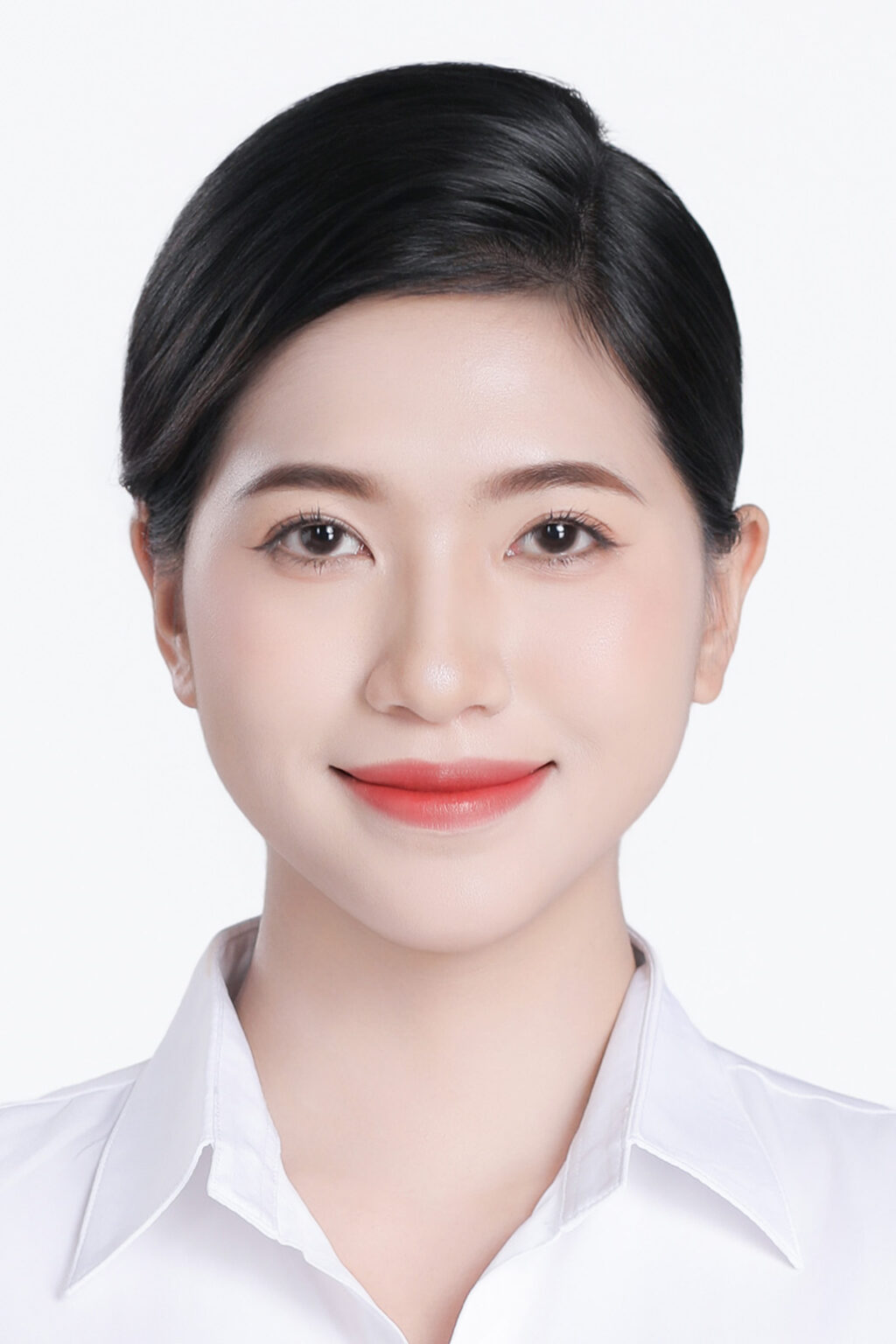
The clearest case is the Vietnamese passport. Under Circular 73/2021/TT-BCA, passport photos are 4×6 cm, on a white background, without glasses, with both ears clearly visible.
The most common mistakes: long hair falling over the ears, or keeping prescription glasses on during the shoot. Tuck your hair behind your ears and remove your glasses before sitting down.
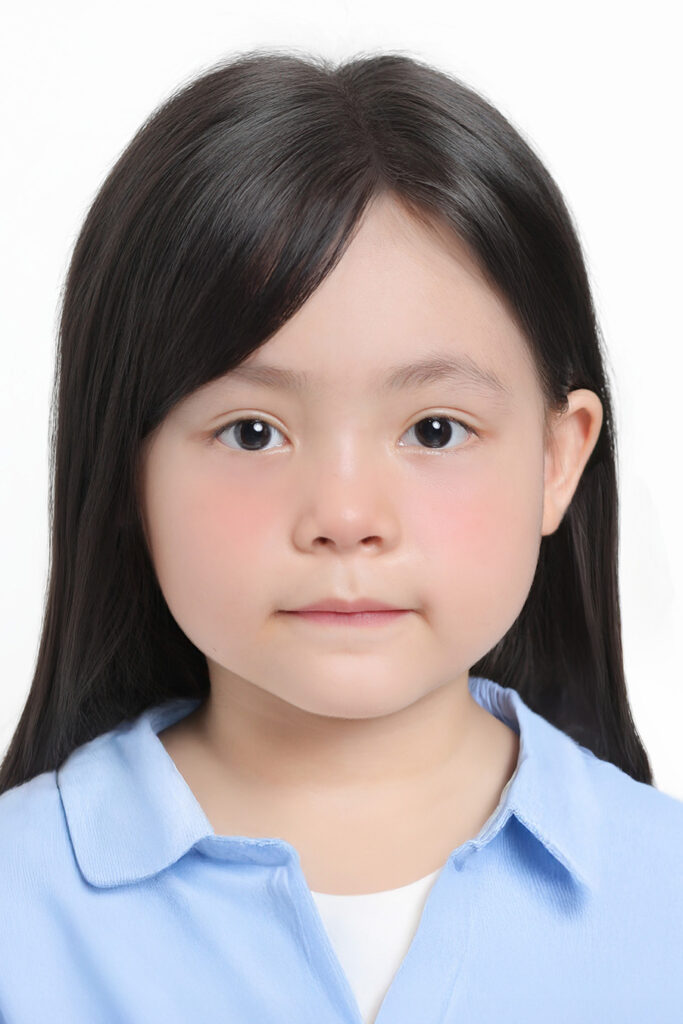
What are 3×4 and 2×3 ID photos used for?
The 3×4 photo is the “default” size for a great many paper applications. The 2×3 photo appears where the photo box is small. But there's no fixed list that applies everywhere.
The safest approach: read the guidelines from the school, company or agency receiving your application carefully. Note three things – photo size, background colour, quantity – before your shoot.
Visa photos don't use 3×4 or 4×6: visa photo sizes by country
This is where people get confused most. Most visa photos follow the 35 x 45 mm size; some countries use square photos, others their own sizes. Beyond photo size, each country also specifies head height within the frame.
| Country / region | Photo size | Head height | Notes |
|---|---|---|---|
| US | 51 x 51 mm (2 x 2 inch) | 25–35 mm | White background, no glasses |
| Schengen | 35 x 45 mm | 32–36 mm | White or light grey background |
| Anh | 35 x 45 mm | 29–34 mm | Check background colour against official guidelines |
| Australia | 35 x 45 mm | 32–36 mm | Check background colour against official guidelines |
| Canada | 35 x 45 mm | 31–36 mm | Visa photos per IRCC; the 50 x 70 mm size is for Canadian passport photos |
| South Korea | 35 x 45 mm | 25–35 mm | White background; double-check with the embassy/KVAC before your shoot |
| China | 33 x 48 mm | 28–33 mm | White background |
| Japan | 35 x 45 mm | Per Japanese Embassy guidelines | Double-check with the embassy before your shoot |
If you're heading to Taiwan or another country not in the table, ask the embassy or receiving office directly. Regulations may change, so this table is a starting point, not a substitute for official notices.
Head ratio, background colour, glasses and hair: the mistakes that get ID photos rejected
The right photo size is only half the story. The other half lies in tiny details that are often overlooked during the shoot.
- Head too large or too small: visa photos measure height from the chin to the top of the hair. Falling outside the permitted range is enough to be asked to retake.
- Wrong background colour: a blue background accepted for one application may be rejected for another. Vietnamese passports and many visas require a white background.
- Wearing glasses: Vietnamese passports and US visas both require no glasses. Removing them is the safe choice for every application.
- Hair covering ears or eyebrows: tie it back or tuck it behind your ears before the shoot.
- Shadows and glare: shadows behind the neck, under the chin or an oily shine on the face all make the photo look like it has the wrong background or blurred detail.
- Retouching that removes identifying features: photos must preserve moles, face shape and the features that identify the right person.
Where to check the regulations?
Regulations may change, and the most reliable source is always the office that receives your application directly:
- Vietnamese passport: the Ministry of Public Security's Public Service Portal.
- Visa: the website of the Embassy or Consulate of your destination country.
- Submitting via an application centre: the website of the designated provider, such as VFS Global or KVAC.
Fees, processing times and detailed procedures should be checked directly on these portals, as they change from time to time.
ID, passport and visa photos at K-BLACK Studio Thu Duc
When the application matters, shooting at a studio is still the shortest route. K-BLACK Studio is at M3-06 Manhattan Glory, Vinhomes Grand Park, Thu Duc City, open 8:30 – 17:30 daily.
K-BLACK shoots tethered: photos appear instantly on a large screen, and you review them and approve colour before payment. Photos can be printed on A6 right away.
See service details on the ID, passport and visa photo, or read more about great ID photos that meet every document standard and instant-print visa ID photos at the studio.
Reference prices
| Package | Price | Includes |
|---|---|---|
| Package K1 | 150,000 VND | Plain-background shoot, photo retouching, background colour change, digital file included |
| Package K2 | 200,000 VND | As K1 + 1 outfit provided; printed photos: 2 × 4×6, 2 × 3×4, 4 × 2×3 |
| Package K3 | 500,000 VND | Same as K2 + basic makeup and hair styling |
| ID photo printing | 50,000 VND | 1 A6 sheet (10.5 x 14.8 cm) |
The K2 package includes all three sizes – 4×6, 3×4 and 2×3 – handy when you're not sure which size your next application will need.
FAQ
Can a 3×4 photo be used for a visa?
Usually not. Most visas use their own sizes such as 35 x 45 mm or 51 x 51 mm, along with head height rules. See more about instant-print visa and passport photos and always check against the embassy of your destination country.
Can I wear glasses in a 4×6 passport photo?
No. Under Circular 73/2021/TT-BCA, Vietnamese passport photos are 4×6 cm, on a white background, without glasses and with both ears clearly visible.
Do all ID photos need a white background?
Not necessarily. Vietnamese passports and many visas require a white background, but some other applications accept other colours. The K1 package includes changing the background colour to match your application's requirements.
Can I get the photos printed right after the shoot?
Yes. K-BLACK prints ID photos on A6 sheets at 50,000 VND/sheet. The K2 and K3 packages already include printed photos in 4×6, 3×4 and 2×3 sizes.
The right size, the right background, the right person – done in one go. The K2 package at 200,000 VND includes printed photos in all three sizes: 4×6, 3×4, 2×3. Book a shoot now or view the quote, then drop by K-BLACK Studio at M3-06 Manhattan Glory, Vinhomes Grand Park, Thu Duc City. Open 8:30 – 17:30 daily; outside these hours, please book in advance via phone/Zalo 0367 277 935.